Gravity and Grace
On Simone Weil and denying force the last word

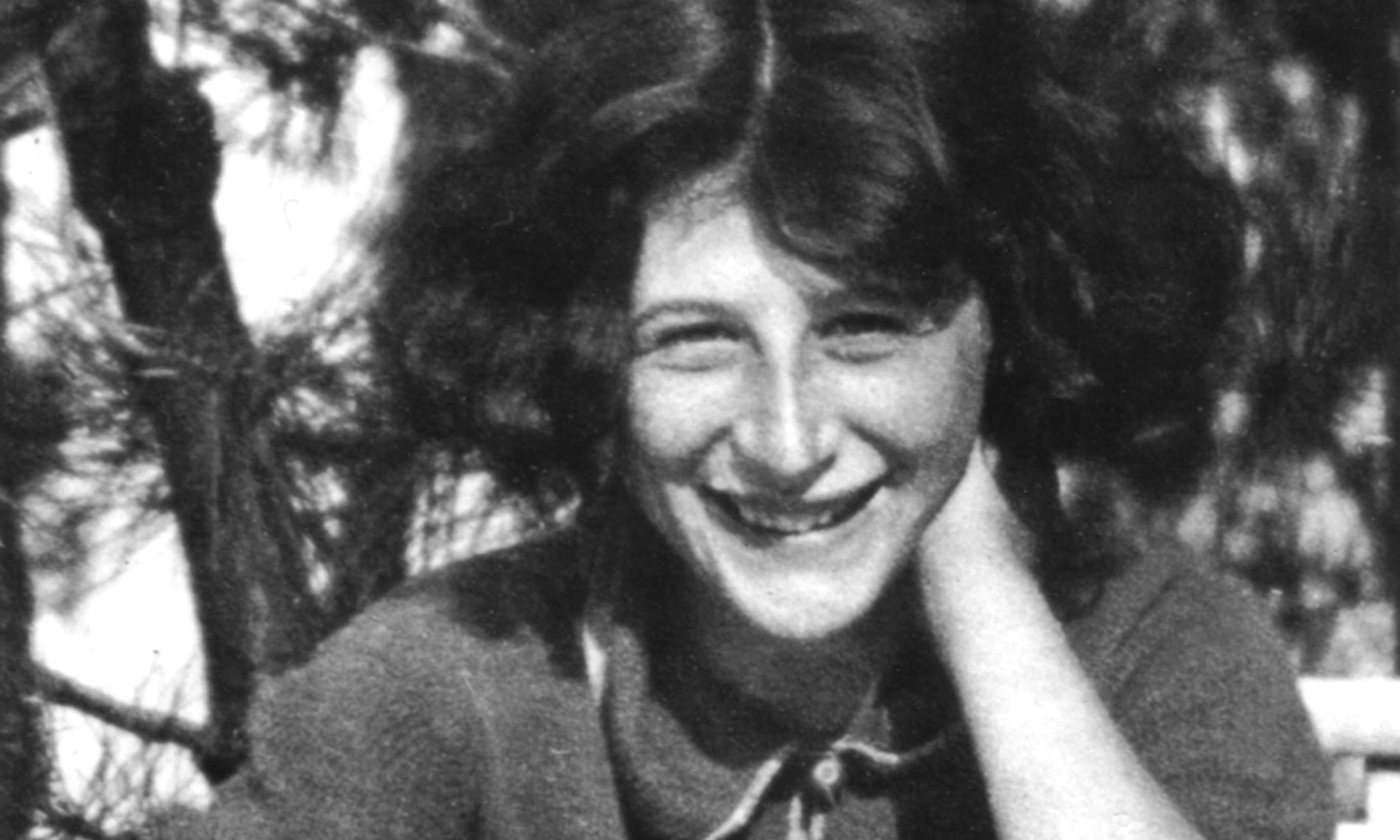
This one is short, not because it couldn’t be longer, but because it needn’t.
I have reached a point in my life where I look upon enthusiasms with kindness and humor. To believe in a university or company or national identity seems quaint and, well, simple. I want to be naked in the eyes of the universe, unencumbered by these little graspings.
Weil understood this; she felt too much and saw too much at a time when there was too much to see. It battered her, and then it killed her as a young woman. I think she died as a ritual sacrifice to modernity, but not simply because modernity is cruel.
Modernity detested paradox and the unresolvable. It wanted closure, administration, and settlement. The atomic bomb was its purest act: a debate resolved without ambiguity because the conditions for ambiguity have been annihilated. Weil’s whole cast of mind opposed this. Her apophatic mystical thinking specifically denied the exact resolution that a situation craves. She rejected the Great Beast of Rome, the engineering state, the prestige of the general and abstract, the dream that force can clarify. She was a mouse holding up a finger to the eagle as it crushed her in its talons. The point is not that she survives. The point is that even being crushed, she denies force the last word about reality.
People dismiss postmodernism as deliberately obscure and self-indulgent, fetishizing the weird. In fact, it was incisive and thoughtful — a sane response to Modernism’s tidy, sanitizing gaze. Weil is returning to favor perhaps because we seek what was before the before-times, when we had neither Modernism’s certainty nor the baffling individualism that succeeded it. But Weil would scorn her own return.
Weil’s weirdness is not like Eliot’s tightness or Pynchon’s deliberate sprawl. In Weil you can feel the struggle itself: the pain, the pressure, the determination not to be consumed by anything other than a truth she knows she cannot finally possess. Gravity and Grace is deliberately unresolved, hard to parse, deeply judgmental while retreating from the stance of superiority. She lays out the necessity of impossible demands because, for Weil, impossibility is not a refutation but a kind of evidence. Any future that is easily possible is already too compromised to satisfy her.
236 pages of aphorisms are just enough. She was chiseling out a metaphysical position through force of will in which she can rest and remain, while knowing what she sought was unreachable, and moreover, that the seeking was an invitation to suffering.
Gravity and Grace is a lovely book of a type that no one writes anymore, because those with her screaming genius don’t do philosophy, and those who do philosophy are denied her tools.
“Attention alone – that attention which is so full that the ‘I’ disappears – is required of me. I have to deprive all that I call ‘I’ of the light of my attention and turn it on to that which cannot be conceived.”
That is the impossible demand. To oppose force without becoming its mirror. To refuse totalization by embracing the specific. The impossibility of total anti-totalizing.
Fabulous 🙏
Simone Weil is evidently known to many thinkers who have peered deeply into our modern era. I really do not know her, but she does sound interesting...is she being taught in universities ?